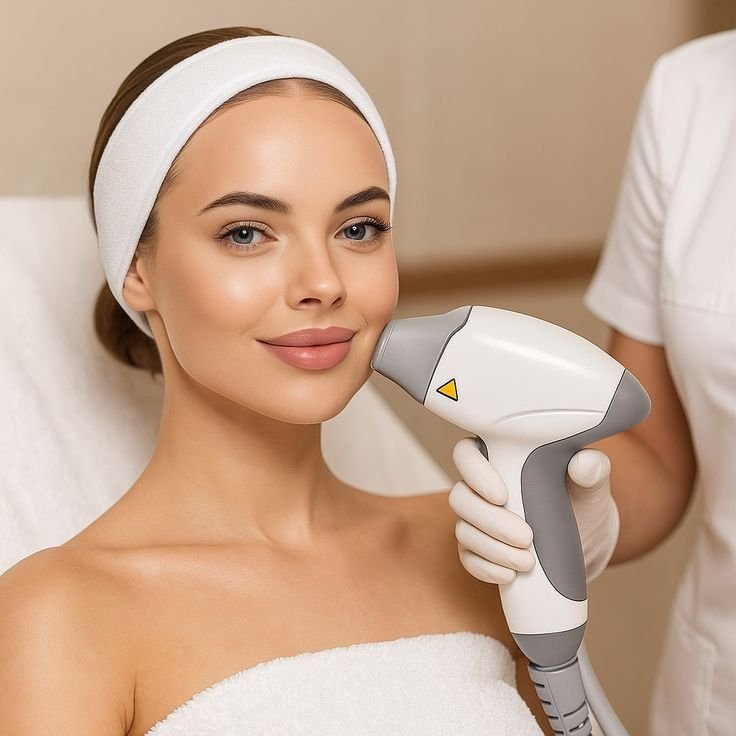
Laser treatment has become one of the most advanced and effective solutions in modern dermatology. Whether you’re looking to reduce acne scars, remove unwanted hair, improve skin texture, treat pigmentation, or reduce signs of aging, laser technology offers safe, precise, and minimally invasive results. With the guidance of an experienced dermatologist, laser treatments can help you achieve healthier, smoother, and more radiant skin.
What is Laser Treatment?
Laser treatment is a non-surgical cosmetic and medical procedure that uses focused beams of light to target specific skin concerns without damaging the surrounding tissue. Different types of lasers are used depending on the condition being treated.
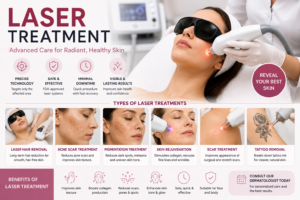
Laser treatments stimulate collagen production, improve skin texture, reduce pigmentation, and treat various skin and hair concerns with minimal downtime.
Common Conditions Treated with Laser Therapy
Laser treatment can effectively address a wide range of skin concerns, including:
- Acne and acne scars
- Pigmentation and dark spots
- Melasma
- Sun damage
- Fine lines and wrinkles
- Enlarged pores
- Unwanted facial and body hair
- Stretch marks
- Surgical scars
- Skin rejuvenation
- Uneven skin tone
- Vascular lesions and redness
- Tattoo removal
Types of Laser Treatments
1. Laser Hair Removal
Laser hair removal targets hair follicles to reduce unwanted hair growth on the face and body. Multiple sessions are usually required for long-lasting results.
Benefits:
- Long-term hair reduction
- Smooth skin
- Reduced ingrown hairs
- Precision treatment
2. Fractional Laser Resurfacing
Fractional laser stimulates collagen production while improving skin texture.
It is commonly used for:
- Acne scars
- Wrinkles
- Surgical scars
- Skin tightening
- Large pores
3. Pigmentation Laser Treatment
Specialized lasers help reduce:
- Melasma
- Sunspots
- Age spots
- Freckles
- Post-inflammatory pigmentation
4. Skin Rejuvenation Laser
This treatment improves overall skin quality by:
- Boosting collagen
- Brightening dull skin
- Improving elasticity
- Reducing fine lines
- Enhancing skin texture
5. Vascular Laser Treatment
Used for treating:
- Spider veins
- Facial redness
- Broken blood vessels
- Rosacea-related redness
Benefits of Laser Treatment
Laser procedures offer numerous advantages, including:
- Minimally invasive
- Quick treatment sessions
- Little to no downtime (depending on the laser type)
- Improved skin texture
- Reduced scars and pigmentation
- Long-lasting results
- Increased collagen production
- Enhanced skin tone and firmness
- Precision targeting with minimal impact on surrounding skin
What to Expect During the Procedure
A typical laser treatment session involves:
- Consultation with a dermatologist to assess your skin and goals.
- Cleansing the treatment area.
- Applying a topical numbing cream if needed.
- Delivering controlled laser energy to the targeted area.
- Applying soothing creams or cooling therapy after the procedure.
Depending on the treatment, sessions usually last between 15 and 60 minutes.
Recovery and Aftercare
Proper aftercare helps achieve the best results.
After laser treatment:
- Apply sunscreen (SPF 30 or higher) daily.
- Avoid direct sun exposure.
- Keep the treated area moisturized.
- Do not pick or scratch the skin.
- Follow your dermatologist’s skincare instructions.
- Avoid harsh exfoliants and active ingredients until your skin has healed.
Some redness, mild swelling, or sensitivity is common and usually resolves within a few days, depending on the type of laser used.
Who is a Good Candidate for Laser Treatment?
You may benefit from laser treatment if you:
- Have acne scars or pigmentation.
- Want smoother, younger-looking skin.
- Need long-term hair reduction.
- Have sun damage or uneven skin tone.
- Wish to reduce wrinkles or fine lines.
- Are in good overall health and have realistic expectations.
A dermatologist will determine the most suitable laser based on your skin type, condition, and medical history.
Possible Side Effects
Laser treatments are generally safe when performed by qualified professionals. Temporary side effects may include:
- Mild redness
- Swelling
- Skin sensitivity
- Temporary darkening or lightening of the treated area
- Mild peeling
Serious complications are uncommon but can occur if aftercare instructions are not followed or if the treatment is performed by an unqualified provider.
Why Choose a Dermatologist for Laser Treatment?
A board-certified dermatologist has the expertise to:
- Evaluate your skin condition accurately.
- Select the appropriate laser technology.
- Customize the treatment plan.
- Minimize risks and side effects.
- Achieve safe and effective results.
Professional care ensures that your treatment is tailored to your individual skin type and goals.
Frequently Asked Questions (FAQs)
Is laser treatment painful?
Most patients experience only mild discomfort. A numbing cream may be used for certain procedures to improve comfort.
How many sessions are needed?
The number of sessions depends on the condition being treated. Many treatments require multiple sessions for optimal results.
Is laser treatment safe for all skin types?
Many modern laser systems can be used on different skin types, but the appropriate laser settings and technology should be selected by a qualified dermatologist.
How long do the results last?
Results vary depending on the treatment, skin condition, and aftercare. Maintenance sessions may be recommended for some procedures.
Conclusion
Laser treatment is an advanced and effective solution for improving skin health and appearance. From acne scars and pigmentation to unwanted hair and signs of aging, laser technology offers targeted, minimally invasive treatments with long-lasting results. Consulting an experienced dermatologist ensures that you receive a personalized treatment plan tailored to your skin type and goals.