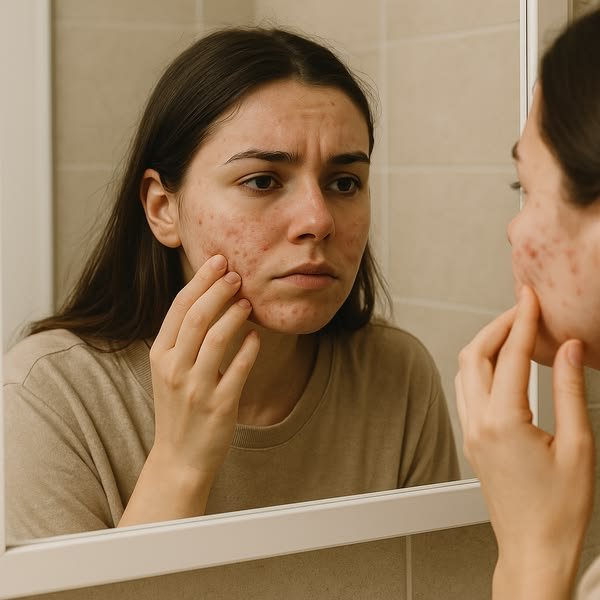
Acne is one of the most common skin conditions, affecting millions of teenagers and adults worldwide. While occasional pimples are normal, persistent acne can impact your confidence and may lead to permanent scars if left untreated. Fortunately, with the right diagnosis and treatment plan, acne can be effectively managed.
In this article, you’ll learn everything you need to know about acne, its causes, symptoms, treatment options, and preventive measures.
What is Acne?
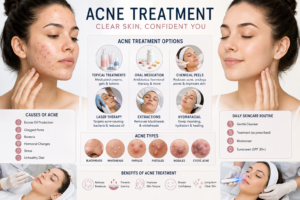
Acne is a skin condition that occurs when hair follicles become clogged with oil (sebum), dead skin cells, and bacteria. It commonly appears on the face, neck, chest, shoulders, and back because these areas contain more oil-producing glands.
Acne can range from mild blackheads and whiteheads to painful cysts and nodules that require medical treatment.
Common Causes of Acne
Several factors contribute to acne development, including:
1. Excess Oil Production
Overactive sebaceous glands produce too much oil, clogging pores.
2. Dead Skin Cell Buildup
Dead skin cells mix with oil, blocking hair follicles.
3. Bacterial Growth
The bacteria Cutibacterium acnes multiply inside clogged pores, leading to inflammation.
4. Hormonal Changes
Hormonal fluctuations during puberty, pregnancy, menstruation, or PCOS can increase oil production.
5. Genetics
If your parents had acne, you may be more likely to develop it.
6. Stress
Stress doesn’t directly cause acne but may worsen existing breakouts.
7. Diet
Some studies suggest that high-glycemic foods and excessive dairy intake may contribute to acne in certain individuals.
Types of Acne
Different forms of acne require different treatment approaches.
- Whiteheads (Closed Comedones)
- Blackheads (Open Comedones)
- Papules
- Pustules
- Nodules
- Cystic Acne
Cystic acne is the most severe form and often requires professional dermatological care.
Symptoms of Acne
Common symptoms include:
- Whiteheads
- Blackheads
- Red inflamed pimples
- Pus-filled bumps
- Painful cysts
- Skin redness
- Oily skin
- Acne scars
- Dark spots after pimples heal
Acne Treatment Options
The best acne treatment depends on the severity of your condition.
1. Topical Medications
Dermatologists may recommend:
- Retinoids
- Benzoyl Peroxide
- Salicylic Acid
- Azelaic Acid
- Topical Antibiotics
These treatments help unclog pores, reduce bacteria, and decrease inflammation.
2. Oral Medications
For moderate to severe acne, oral treatments may include:
- Antibiotics
- Hormonal therapy (for suitable patients)
- Isotretinoin (for severe cystic acne under medical supervision)
These medications should only be used under the guidance of a qualified dermatologist.
3. Chemical Peels
Chemical peels exfoliate the skin, reduce acne, improve skin texture, and help minimize acne marks.
Benefits include:
- Reduced breakouts
- Improved skin tone
- Reduced pigmentation
- Better skin texture
4. Laser and Light Therapy
Advanced laser treatments help:
- Reduce acne-causing bacteria
- Control oil production
- Improve acne scars
- Reduce inflammation
Laser treatments are especially helpful for persistent acne and post-acne scarring.
5. Acne Scar Treatments
If acne has left scars, dermatologists may recommend:
- Microneedling
- Fractional Laser
- Chemical Peels
- Subcision
- PRP Therapy
- Dermal Fillers (for selected scar types)
Daily Skincare Routine for Acne-Prone Skin
A proper skincare routine plays an important role in acne management.
Morning
- Cleanse with a gentle face wash.
- Apply prescribed acne medication if advised.
- Use a lightweight, non-comedogenic moisturizer.
- Finish with a broad-spectrum sunscreen (SPF 30 or higher).
Night
- Remove makeup and sunscreen thoroughly.
- Wash with a gentle cleanser.
- Apply nighttime acne treatment as prescribed.
- Moisturize to support the skin barrier.
Tips to Prevent Acne
You can reduce future breakouts by following these habits:
- Wash your face twice daily.
- Avoid touching or picking pimples.
- Use oil-free, non-comedogenic skincare products.
- Clean makeup brushes regularly.
- Keep pillowcases and towels clean.
- Stay hydrated.
- Eat a balanced diet rich in fruits and vegetables.
- Manage stress through exercise and adequate sleep.
- Follow your dermatologist’s treatment plan consistently.
When Should You See a Dermatologist?
Consult a dermatologist if:
- Over-the-counter products aren’t helping.
- Acne is painful or cystic.
- You have frequent breakouts.
- Acne is leaving scars.
- Dark spots remain after pimples heal.
- Acne is affecting your confidence or daily life.
Early treatment can help prevent permanent scarring and improve long-term skin health.
Frequently Asked Questions (FAQs)
Can acne be permanently cured?
Acne can often be effectively controlled with the right treatment, though some people may experience recurring breakouts that require ongoing management.
Is acne only a teenage problem?
No. Adult acne is common, especially among women due to hormonal changes.
Does oily skin always cause acne?
Not always. While excess oil contributes to acne, genetics, hormones, bacteria, and inflammation also play important roles.
Can diet affect acne?
For some individuals, high-glycemic foods and certain dairy products may worsen acne. A balanced diet may help support overall skin health.
Conclusion
Acne is a common but treatable skin condition. With the right skincare routine, healthy lifestyle habits, and guidance from a qualified dermatologist, most people can significantly reduce breakouts and improve their skin’s appearance. If you’re struggling with persistent or severe acne, seeking professional treatment early can help prevent scars and support healthier, clearer skin over time.